
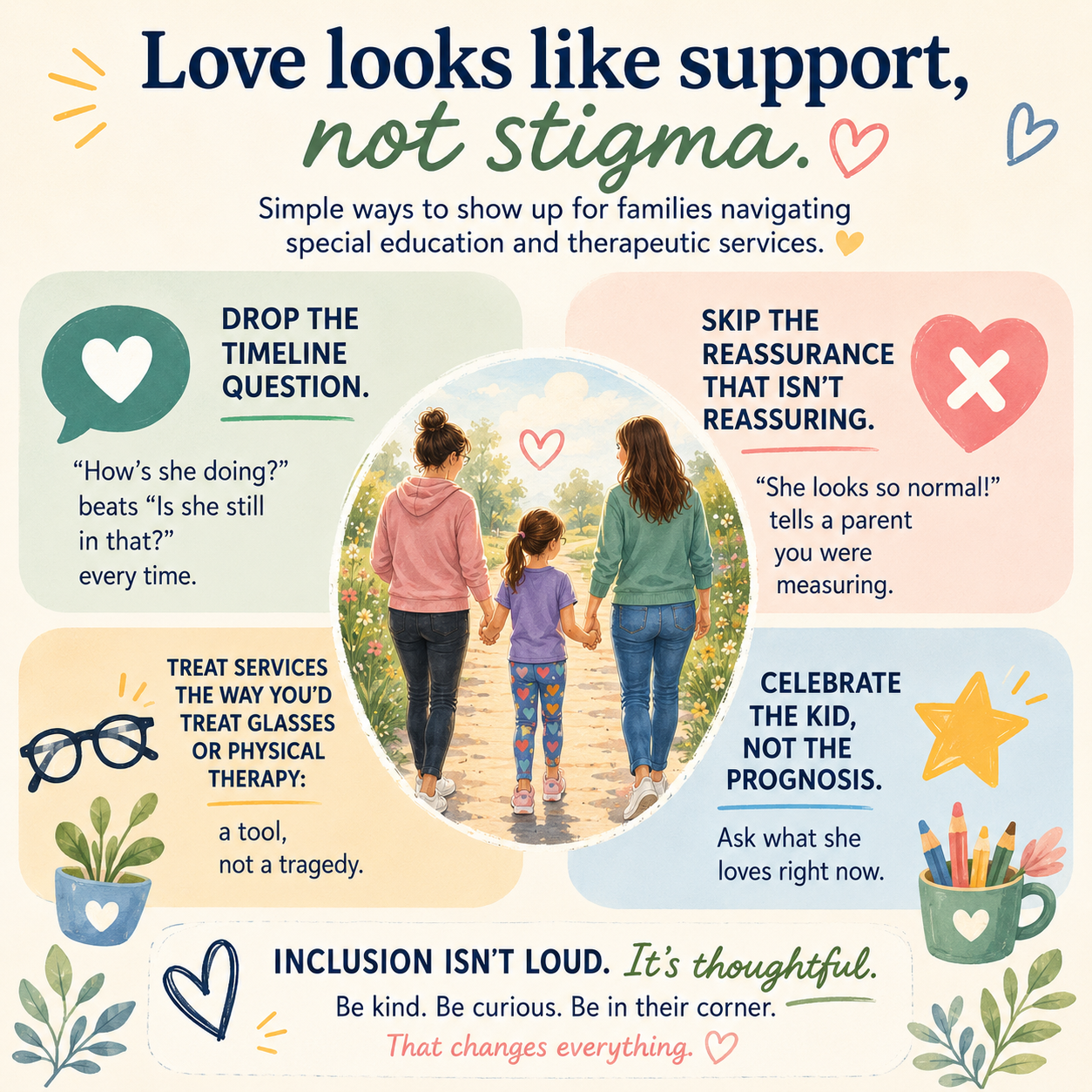
How Long Will She Need Services? The Wrong Question and a Better One
When people ask how long my daughter will need special education services, I know they're often wondering something deeper: How serious is this? What does this mean for her future? As both her mom and a child psychologist, here's what I wish more people understood about early support, developmental trajectories, and the stigma families carry.

The Bright Side of Big Behavior: What You're Child is Really Telling You
Every meltdown tells a story—but it's not always the one we think. Is your child's behavior driven by defiance, anxiety, sensory overwhelm, or emotional dysregulation? While these can look remarkably similar on the outside, understanding what's happening beneath the surface changes how we respond. In this article, you'll learn how to recognize the differences, respond with greater confidence, and discover the hidden strengths that often lie behind your child's biggest challenges.

The Bright Side of Rethinking the Autism Spectrum
Autism is often described as a spectrum, but many people still imagine that spectrum as a straight line from “mild” to “severe.” In reality, autism is far more complex. Support needs can vary across different areas of functioning and may even change over time depending on development, stress, environment, accommodations, and available supports. In this Bright Side blog post, we explore the limitations of linear autism models, the challenges of DSM-5 support levels, and why many individuals and professionals connect with more multidimensional ways of understanding autism — including the idea of the “autism wheel.”

The Bright Side of the Unknown: Holding Hope and Acceptance After a Diagnosis
After a child receives a diagnosis, one of the first questions parents ask is: What will their future look like? But the truth is, especially in young children, we often do not know. In this deeply personal and reflective post, a psychologist and mother explores the emotional tension between hope and acceptance, the pain of wondering whether the “gap” will close, and the challenge of learning to live with uncertainty. This piece offers a compassionate redefinition of progress — one rooted not in comparison, but in connection, growth, and the understanding that a meaningful, joyful life does not depend on the gap disappearing.

The Power of Assuming Competence
Our assumptions about neurodivergent children shape the opportunities they receive and how they see themselves. In this Bright Side post, Dr. Kandice Benallie explores how ableism shows up in everyday interactions—and why assuming competence can help children grow, connect, and reach their full potential.

The Bright Side: Following Your Child’s Learning Curve
Children don’t all learn at the same pace—and that’s okay. When parents focus on their child’s individual learning curve instead of comparisons, learning becomes a more positive and meaningful experience.

When a Child’s Bucket Is Full: Rethinking Compliance and Connection
Behavioral strategies like positive reinforcement, effective commands, and structured routines are evidence-based and effective—but they are not one-size-fits-all. In this post, we explore the difference between compliance-based interventions and connection-focused approaches, and why a child’s regulation, sensory needs, attachment, and developmental profile matter. When a child’s emotional “bucket” is full, they are far more likely to access learning, executive functioning, and emotional regulation. Here’s how to support behavior from the inside out.
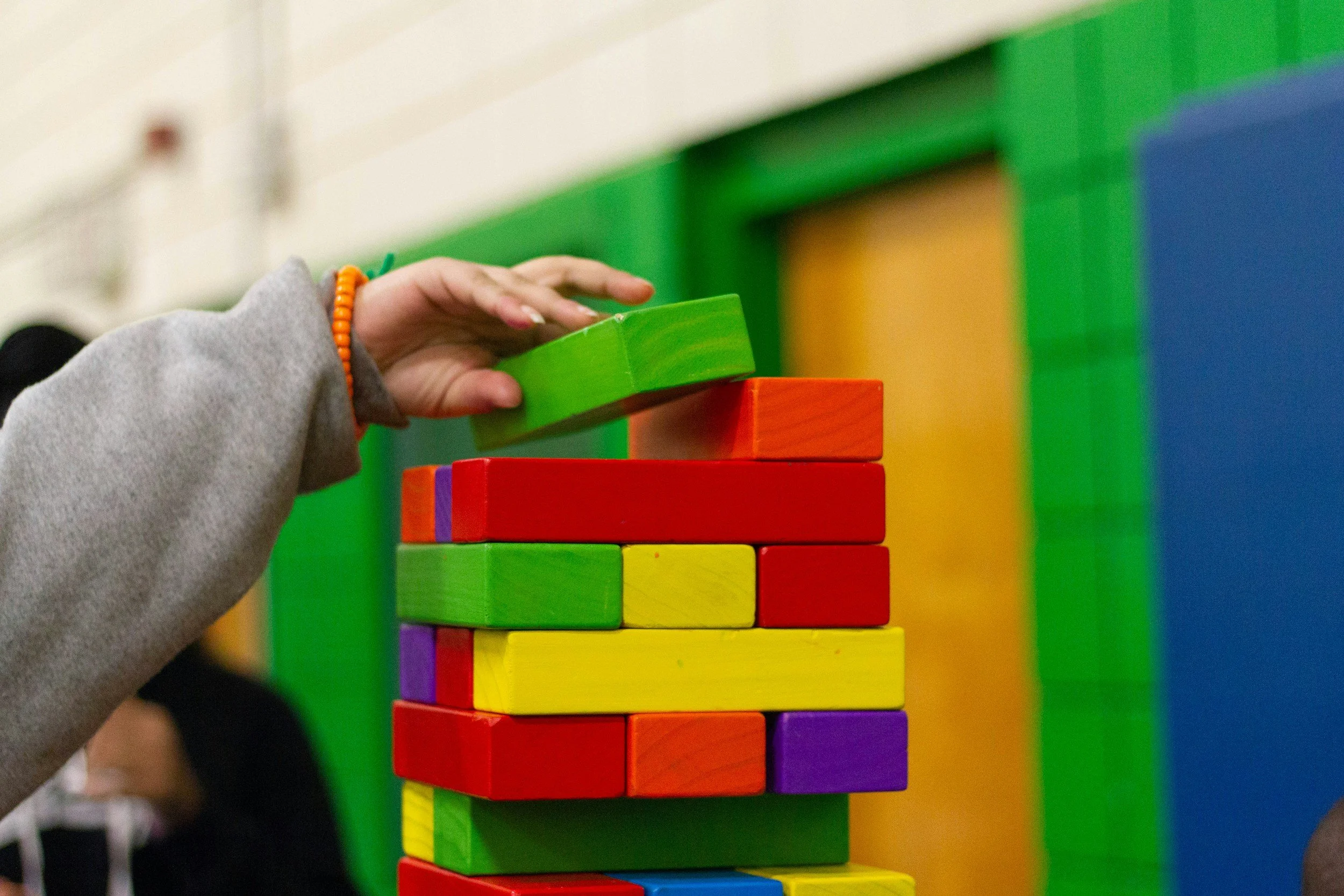
The Bright Side of Redefining Success in Child Development
Child development isn’t a checklist or a race. The bright side is that real progress often shows up in quieter ways—through regulation, connection, and growth that unfolds at a child’s own pace.

The Bright Side: Finding Joy (and Calm) During the Holidays With Neurodivergent Kids
The holidays can be full of joy, magic, and meaningful moments—especially with neurodivergent kids. Their excitement, creativity, and unique way of experiencing the world often bring a special kind of brightness to the season. And at the same time, the holidays can feel overwhelming. More people, more noise, and fewer routines can add up quickly, even when everyone’s intentions are good. In this post, we explore why the holidays can be hard for some neurodivergent children—and how families can offer support that honors who their child is, without trying to change them.